A mining business needed a more flexible mobile application strategy for its workforce. Across three years, the source reports 25 applications, 100 forms and 53 modules, with around 30% better developer productivity.
A new agricultural sales model required a smoother logistics experience for field agents and sellers before the buying season. The source reports a three-month launch with one or two developers; in nine months the application processed 1,360 deliveries and 1,230 order updates.
Employees needed simpler mobile access to SAP information and an easier way to update records during daily work. The source reports a portfolio of at least thirty-five applications, around four thousand employee users and extensive supply-chain use, built by two developers who initially had no mobile-app development experience.
An aging customer application had become difficult to maintain, limiting the supplier’s ability to improve orders, delivery visibility and digital services. The source reports eight months of delivery with three developers and approximately half of customers using the extended web portal at publication.
Demand for custom applications exceeded the internal team’s capacity, encouraging departments to create unsupported tools and fragmented information. The source reports more than fifty applications delivered by two developers, with user departments returning to the internal team for new requests and shared capabilities reused across applications.
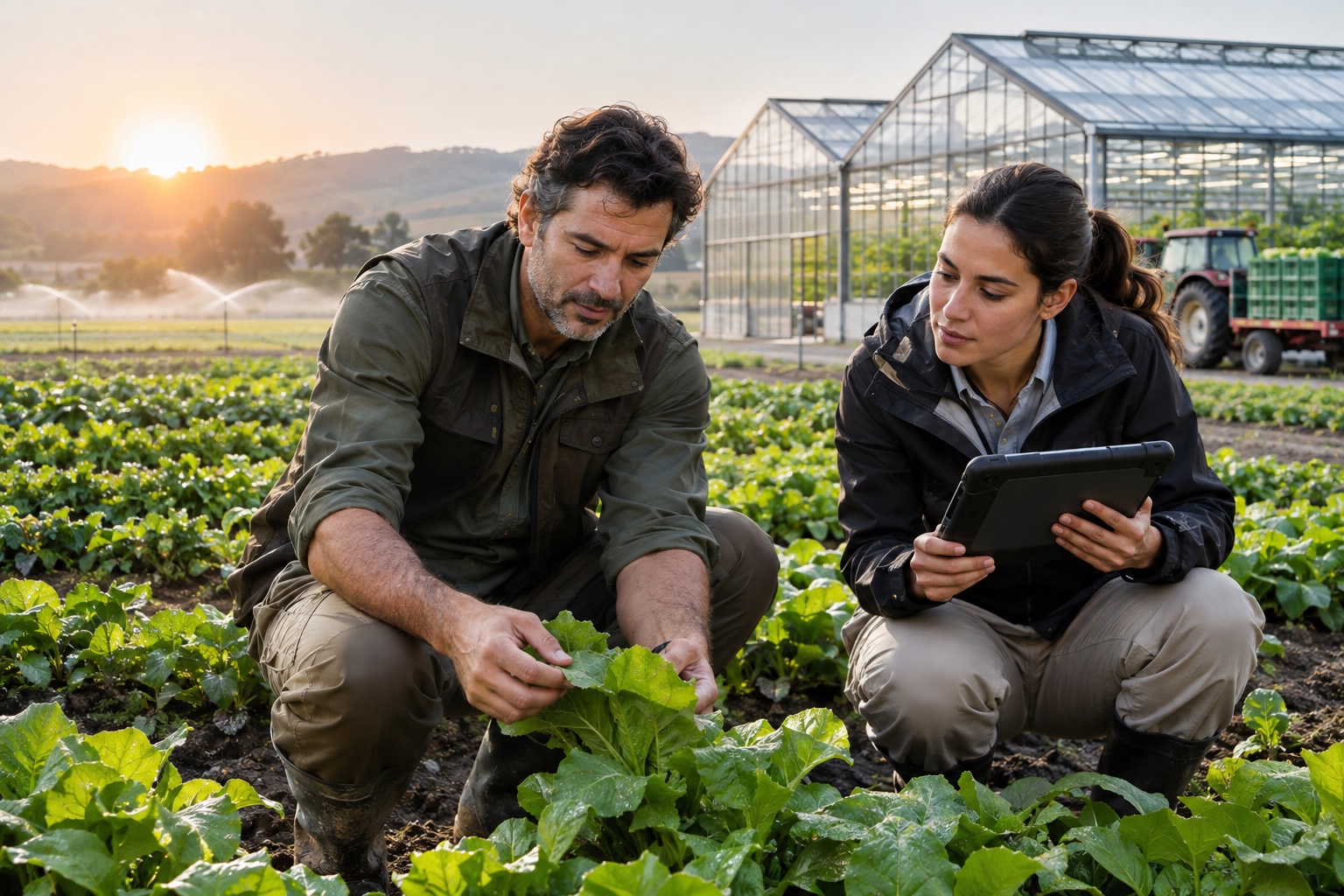
Offline collection and paper processes left field information in disconnected systems, with limited feedback to the people gathering it. The source reports data validation moving from two or three days to real time and selected processes running up to three times faster. Managers gained near-real-time views of crop conditions and work across field locations.
Field and warehouse information was recorded on paper before being entered into spreadsheets. Staff needed a practical way to capture fruit quality and production data where work happened. The linked historical report describes packing times reduced by 50–83% on an apple-packing line with more than eighty employees. The measure belongs to that line in the 2016 report, not the whole company or a forecast for another business.